
Sustainability from the Start
EFP is committed to taking a 360-degree approach to sustainability. We’re evolving the materials we use, the takeback systems we create and the industry-driven partnerships we pursue to keep sustainability in our line of sight and spark industry-wide lasting change.
Recycling Efforts
The growing challenge of plastic waste, especially from engineered foam packaging, underscores the need for sustainable practices. Each year, Americans dispose of significant amounts of this material, essential for safely transporting goods like electronics and food. EFP is actively addressing this issue by recycling Expanded Polystyrene (EPS), which is 100% recyclable.
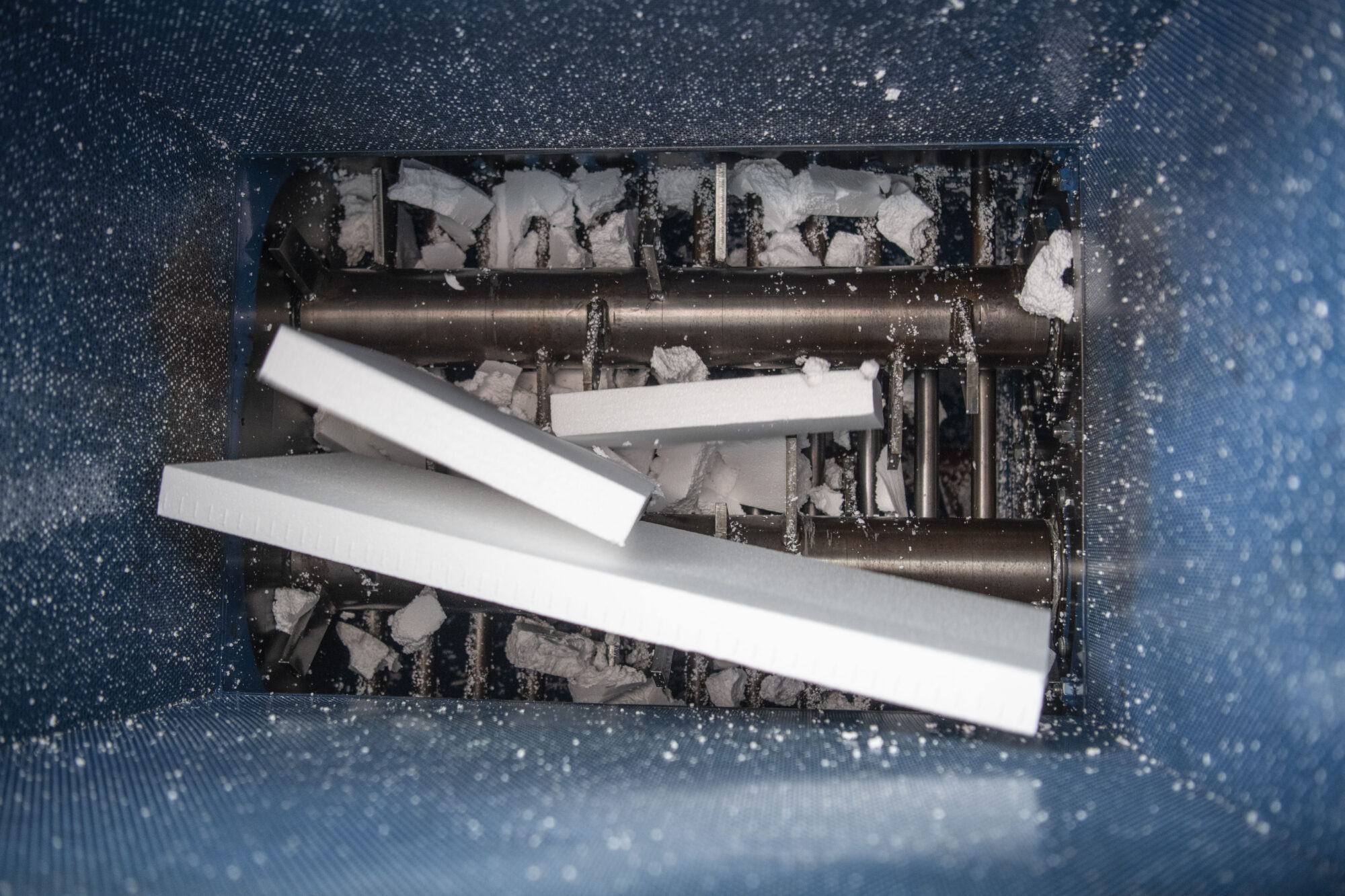
EFP is proud to support sustainability by recycling used Expanded Polystyrene (EPS), commonly known as foam. We accept clean, uncontaminated EPS materials and process them so they can be responsibly recycled and reused in new applications.
Every EFP location participates in this program, offering convenient drop-off hours from 9:00 a.m. to 2:00 p.m. on regular business days. By partnering with us, you help reduce waste and contribute to a more sustainable future.
EFP proudly partners with the Polystyrene Recycling Alliance (PSRA) to bring together the entire value chain of polystyrene (PS) and expanded polystyrene (EPS) to advance the circularity of polystyrene products throughout North America.
Achieving a circular economy, where materials like plastic, paper, and others can be continuously recycled, is essential for sustainability. As an industry alliance, we are committed to facilitating polystyrene circularity, starting by increasing recycling access for consumers to ultimately boost recycling rates.
- Elkhart, Indiana – (574) 295-4690
- Evansville, Indiana – (812) 602-0011
- La Vergne, Tennessee – (615) 832-6222
- Decatur, Alabama – (256) 353-0476
- Bishopville, South Carolina – (803) 853-3050
- Casa Grande, Arizona – (520) 464-6430
*Additional drop-off centers can be found here: Recycling Map — EPS Industry Alliance.
Clean, rigid Expanded Polystyrene (EPS) packaging including protective packaging inserts, molded blocks, and insulated shipping components can be recycled through designated drop-off programs such as EFP locations.
Yes, EPS should be free of food residue, liquids, tape, labels, and other contaminants to ensure it can be properly processed and reused.
After collection, EPS is densified (compacted) into solid blocks to improve transport efficiency. It is then cleaned, melted, and pelletized into recycled polystyrene resin. That material is used to manufacture new products — including packaging, building materials, and other durable goods — supporting a circular lifecycle.
No. EFP does not accept food-service foam, as it is typically not clean EPS material and often contains food residue or contamination.
Food-service EPS may be recyclable through other programs if it is completely clean and free of residue; however, acceptance varies depending on the recycling provider and contamination standards.
Look for clean, rigid foam packaging commonly used to protect electronics, appliances, and temperature-sensitive shipments. The #6 resin code or “PS” marking may also be present. EPS typically carries the resin identification code #6, which helps identify it as polystyrene for recycling purposes.
EPS is extremely lightweight yet high in volume, which can make transportation costly in traditional curbside systems. When collected through targeted programs, it can be efficiently compacted and recycled into new products.
EPS is 100% recyclable; however, its lightweight nature makes curbside collection inefficient in many municipal systems. Dedicated drop-off programs and specialized recycling partners provide a more effective solution for collecting and processing EPS.
NatureKool®
The cold chain industry has struggled to find a packaging solution that delivers both sustainability and high performance. Existing options often meet one need at the expense of the other compromising critical temperature control, durability, or environmental goals.
Now, there’s a solution that achieves excellence across every metric. Designed to meet the demands of modern cold chain logistics, it provides the performance, protection, and sustainability your operations require without compromise.
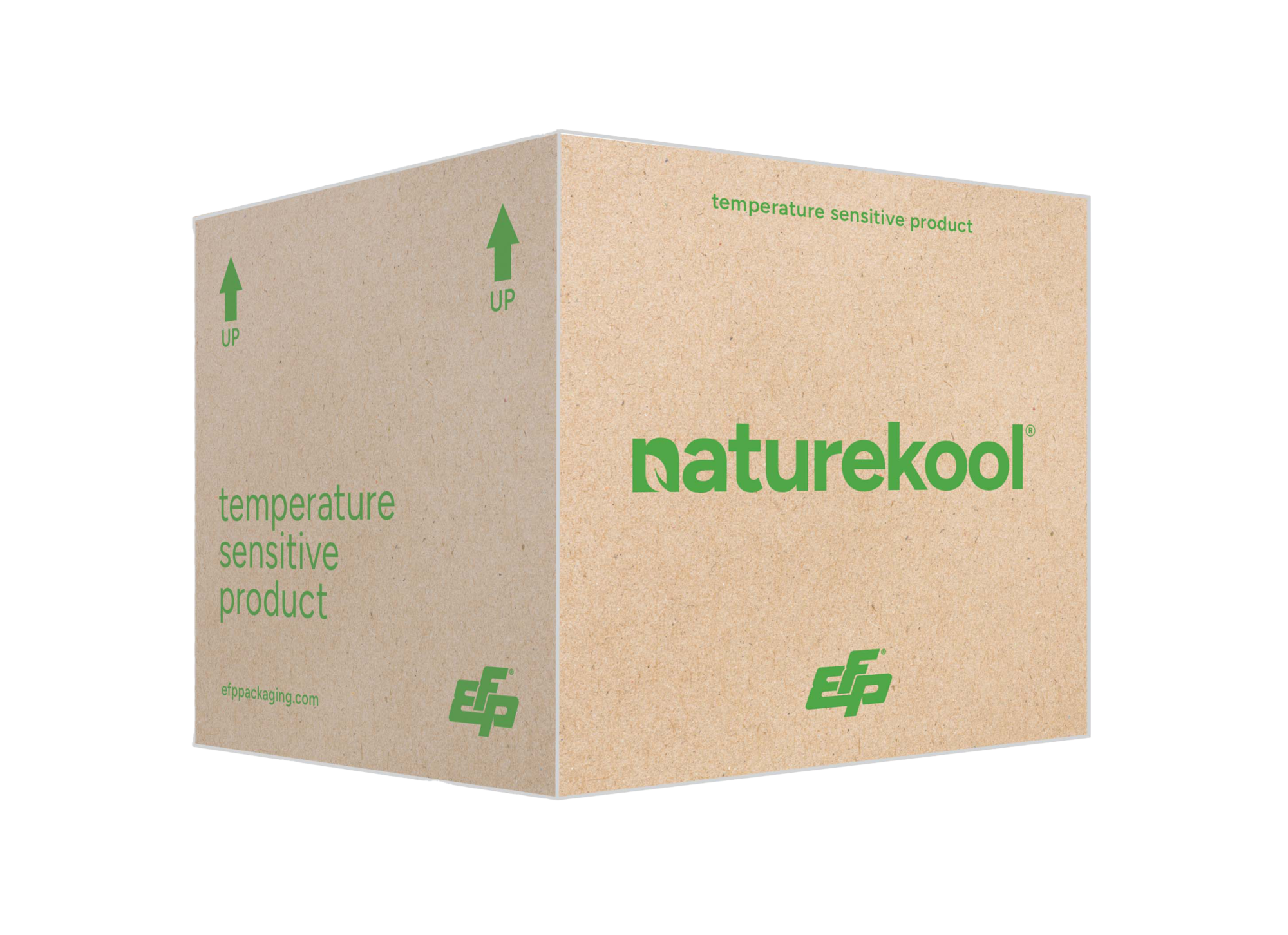
NatureKool® is a sustainable, high-performance thermal packaging solution designed to meet the demands of modern cold chain shipping.
Made from renewable and recyclable materials, it delivers reliable temperature control for even the most critical applications. NatureKool is engineered for durability and rigorously tested to perform through extended transit and extreme conditions. With multiple sizes and customizable configurations, it easily adapts to your operational needs. By reducing carbon impact and supporting corporate sustainability goals, NatureKool offers an environmentally responsible alternative without compromising performance.
Choosing natural fiber thermal packaging delivers reliable temperature control while supporting your sustainability goals. Built with eco-friendly materials, it reduces waste and contributes to circular supply chains, without sacrificing thermal performance. This makes it an ideal solution for companies looking to minimize environmental impact while maintaining product quality and shipping efficiency.
From pharmaceuticals and life sciences to food and specialty logistics, NatureKool® delivers flexible, high-performance packaging options that protect temperature-sensitive products through every stage of the journey, sustainably and reliably.
Re-Bead®
Re-Bead®, Post-Consumer Recycled (PCR) EPS material, offers molded EPS components containing 30% to 50% PCR content, enabling customers to meet the growing demand for sustainable packaging. By incorporating PCR content, it helps companies achieve the widely recognized goal of reaching 30% PCR content in plastic packaging by 2030, as set by many leading NGOs.
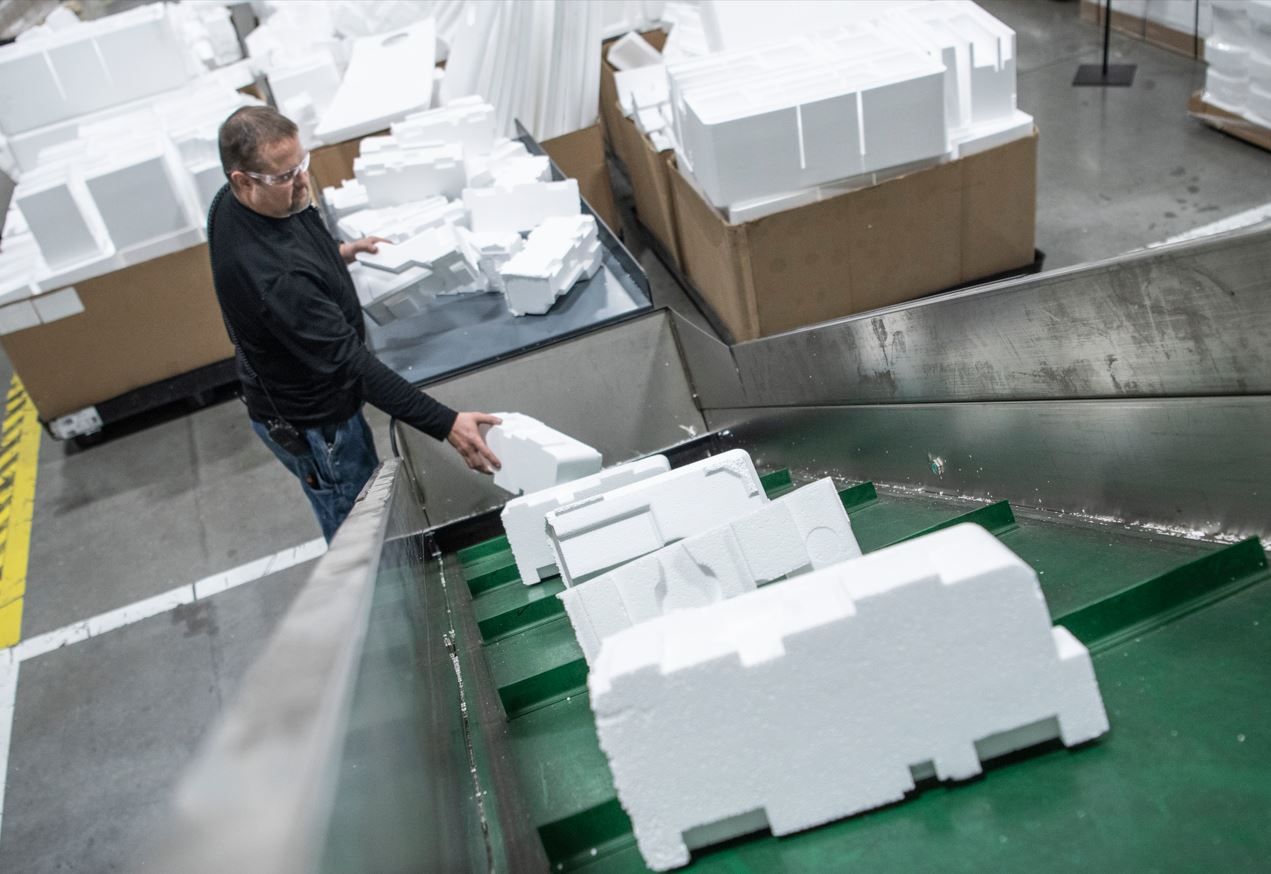
Re-Bead® in protective packaging delivers a dual benefit under Extended Producer Responsibility (EPR) laws: it lowers regulatory costs and boosts sustainability credentials.
States implementing eco-modulated fee structures such as California, Colorado, Maine, Oregon, Minnesota, Maryland, and Washington offer incentives or reduced fees for packaging with higher recycled content. By incorporating Re-Bead®, manufacturers can qualify for these fee reductions while maintaining superior performance in shock absorption, moisture resistance, and thermal protection.
Well-established recycling infrastructure for transport EPS allows post-consumer material to be reintegrated effectively, reinforcing circular economy goals and helping producers meet mandatory recycling content targets.
Re-Bead® turns commitment into action. By incorporating up to 50% post-consumer recycled content, it reduces reliance on virgin plastic and advances real circularity helping companies demonstrate measurable progress toward their sustainability promises.
PCR content is calculated based on controlled sourcing, material traceability, and production documentation. Certification and verification follow recognized industry standards and auditing practices to confirm the stated recycled content percentage.
Yes. By replacing a portion of virgin resin with post-consumer recycled material, Re-Bead® reduces the demand for new raw material production, which can lower overall greenhouse gas emissions associated with packaging components. Exact reductions depend on PCR percentage and application.
No, Re-Bead® is designed to maintain the core properties that make EPS effective, strength, cushioning, and thermal insulation, while advancing recycled content goals. Performance remains consistent and reliable.
Re-Bead® is compatible with a wide range of molded EPS applications, including protective packaging and insulated components. Specific suitability can be evaluated based on design, load, and performance requirements.
BioBead™
Introducing BioBead™, a groundbreaking technology designed to enhance the environmental impact of molded EPS products. By modifying the EPS polymer during manufacturing, BioBead™ accelerates the biodegradation process in anaerobic landfills, ensuring that over 94% of the material breaks down into harmless byproducts like water, carbon dioxide, and inert matter within just four years.
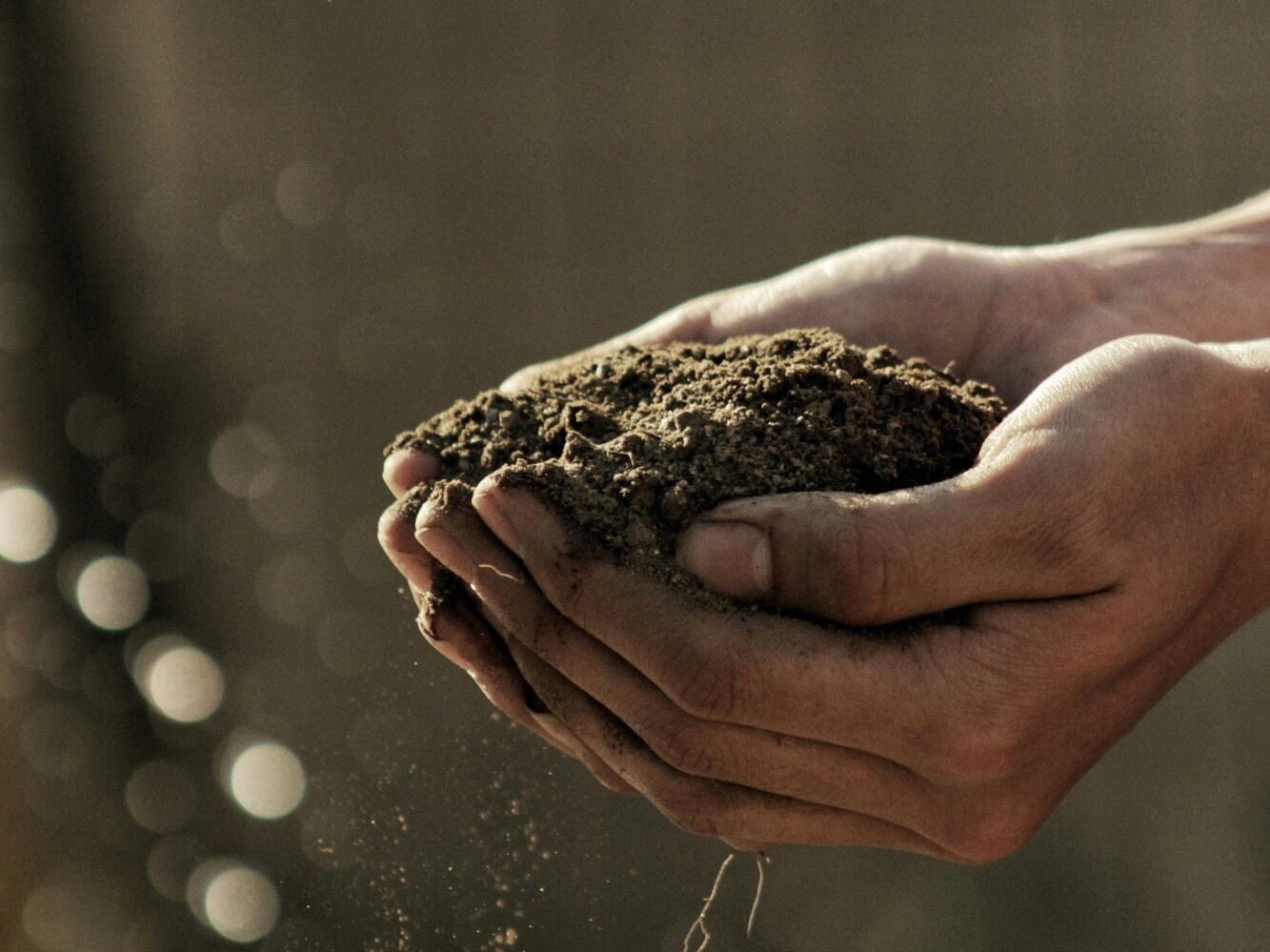
BioBead™ is an excellent option for those seeking a more sustainable EPS solution. Its biodegradable technology accelerates the breakdown of EPS in anaerobic landfill conditions—validated by third-party ASTM D5511 testing—while maintaining the same strength, insulation performance, and durability as traditional EPS.
Products made with BioBead™ remain fully recyclable and can seamlessly enter existing EPS recycling streams without affecting material quality, offering a responsible way to reduce environmental impact without sacrificing quality.

Get in Touch
Whether you’d like to get to know more about EFP, learn more about our career opportunities or if you’d like to potentially do business, we’d love to talk with you.